Skip to content

How inverter replacement works

From your first call to a fully commissioned system, most inverter replacements take 3 to 5 working days. Here is exactly what happens at each stage.

Quick answer

Inverter replacement follows five steps: you tell us the fault code, we check whether repair or replacement makes sense, a survey confirms your system details, our MCS-certified partner fits and commissions the new inverter, and we file the G98 or G99 notification with your network operator. Most jobs take 3 to 5 working days.

Last updated:
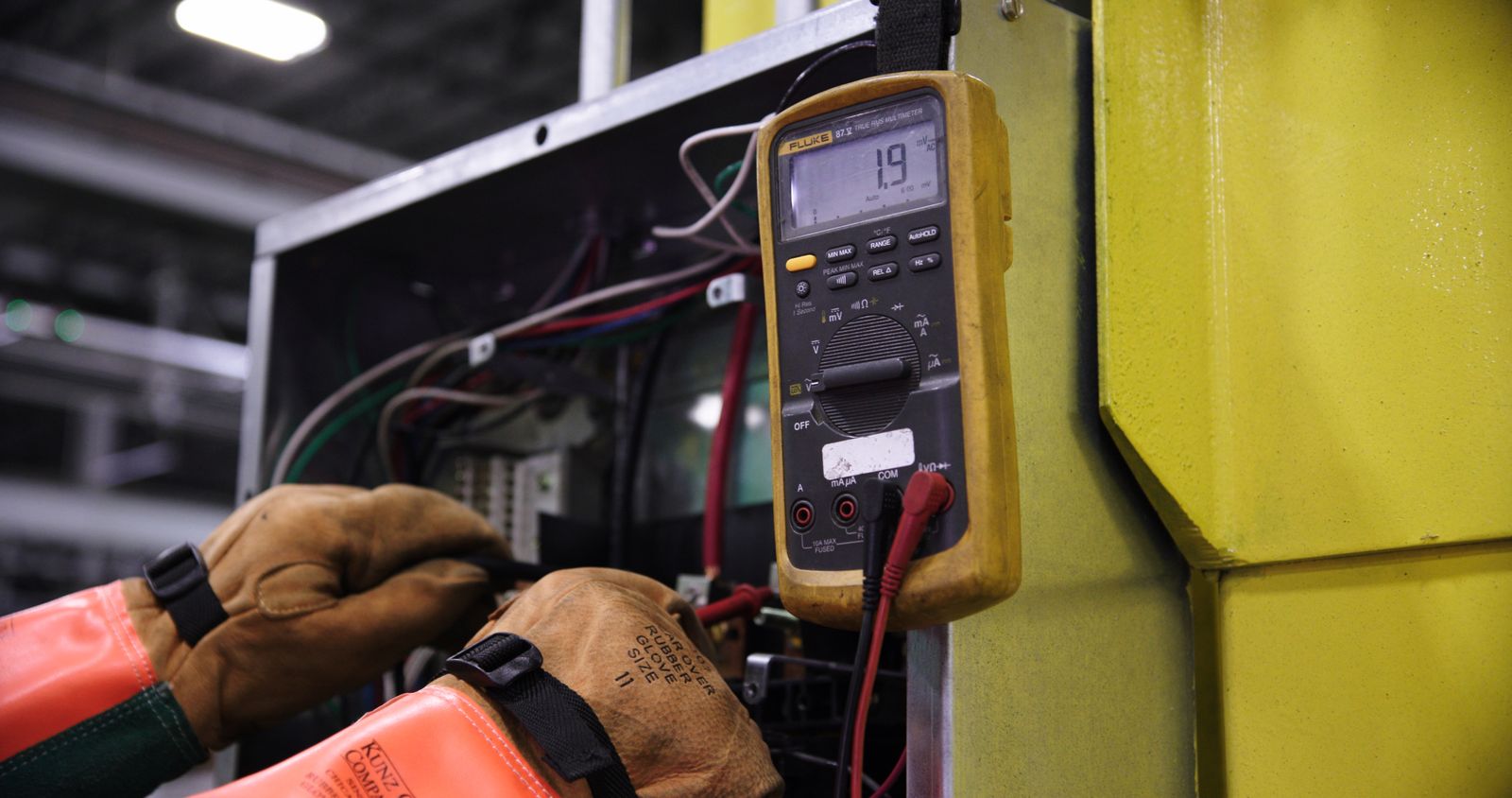
An electrician testing wiring inside an electrical control panel with a multimeter

How it works

How Inverter Replacement Works

From fault code to commissioned system — typically 3–5 working days.

  1. 1

    Fault Diagnosis

    Call us or use the fault code lookup above. We'll diagnose your fault and provide a no-obligation quote within 24 hours — no call-out charge.

  2. 2

    Survey & Installation

    We assess the existing system, confirm compatibility and recommend the right inverter — string, hybrid, or micro. We install through MCS-certified partners, who replace it (typically 1–2 hours on-site) and we file all G98/G99 DNO notifications as part of the job.

  3. 3

    Commissioning & Certificate

    Full system commissioning, monitoring setup, and MCS certificate issued by our install partner. Your SEG eligibility remains intact throughout.

Emergency callouts available. Critical faults (arc fault, insulation fault) — same-day response for most Scottish postcodes.

Before we visit: diagnosing the fault remotely

Most calls start with a fault code, a red light or a monitoring app that has gone quiet. Send us a photo of the inverter display and its label and we can usually tell you whether the fault is likely to be a grid issue, an insulation fault on the panel strings, a failed fan or a worn-out unit. Some faults clear themselves once grid voltage settles, so we will tell you if waiting a day is the sensible first step.

If the inverter needs work, we arrange a site visit. Inverters in Scotland are often fitted in lofts, garages and utility rooms. Damp lofts, unheated garages and coastal air can shorten their life, so we check the location as well as the unit itself.

Choosing the right replacement

Many Scottish systems installed during the Feed-in Tariff years are around 3 to 4 kWp, typically on south, east or west-facing slate or tile roofs on harled semis, sandstone villas and bungalows. We match the new inverter to the panel strings you already have, so the voltage and current ratings suit your array.

If you think you may add a battery in future, we will explain the hybrid option. A hybrid inverter manages panels and a battery in one box, so adding storage later does not need a second inverter.

DNO paperwork and your Feed-in Tariff

Every replacement must be notified to your Distribution Network Operator. In central and southern Scotland that is SP Energy Networks; in the north of Scotland it is Scottish and Southern Electricity Networks. Smaller systems are normally covered by a G98 notification after installation, while larger inverters may need G99 approval first. We handle this paperwork as part of the job.

Replacing an inverter does not normally affect Feed-in Tariff payments, provided the panels and generation meter stay the same. We give you the commissioning paperwork so you can tell your FiT supplier about the change and keep your records complete.

Inverter showing a fault?

Tell us the fault code or symptoms and we will give you honest advice on repair or replacement, with a written quote before any work is booked.